Did You Know? Nori is an Environmental Superstar!
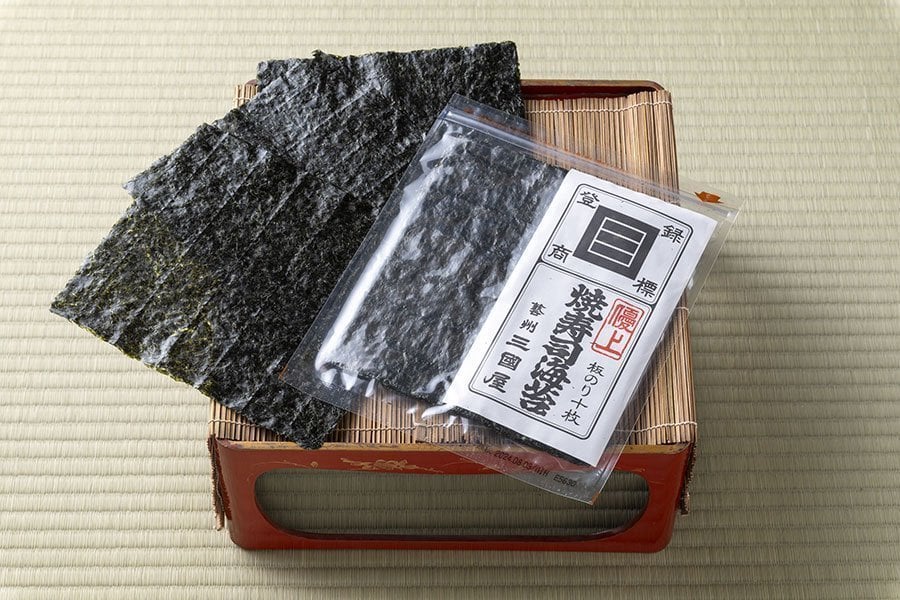
Just one hectare of Japanese seaweed, like our superior-quality nori (about the size of two football fields), absorbs 20 to 30 tons of carbon dioxide per year—that’s like taking 15 cars off the road! Seaweed is also up to 5 times more efficient at absorbing CO2 than the same area of forest. Plus, eating seaweed doesn’t reduce its environmental benefits! Seaweed absorbs carbon as it grows, and when it’s harvested, it makes space for new seaweed to grow and continue capturing CO2. So, when you enjoy nori, you’re making a healthy choice for yourself and supporting a sustainable practice that’s good for the planet! Try our premium roasted sushi nori here.
The Environmental Challenges Facing Nori Production
The biggest factor contributing to the decline in nori production is the rise in sea temperatures due to global warming. The average sea surface temperature around Japan has increased by +1.11°C over the past 100 years, nearly double the global rate. This seemingly small rise has profound effects on nori cultivation, shortening the growing season by up to a month. Warmer seas delay the start of nori farming and shorten the season, reducing overall yields and increasing the risk of red tides, which deplete essential nutrients.
Additionally, the nutrient levels essential for nori growth, such as nitrogen and phosphorus, have decreased in recent years, affecting the quality and quantity of the harvest. Supporting nori production helps maintain these delicate ecosystems, which are vital for many marine species. If you’re curious about how nori is made, from harvesting to drying, check out this detailed guide on nori-making with beautiful pictures and insights into this essential Japanese cuisine.
Protecting Our Oceans and Coasts
Seaweed farming, including nori, doesn’t require freshwater, fertilizers, or pesticides, unlike traditional land farming that can consume vast amounts of water and rely on chemicals. Seaweed grows naturally in the ocean, thriving on sunlight and nutrients already present in the water, making it one of the most sustainable crops on the planet. The nori seaweed benefits extend beyond just environmental impact—this seaweed also plays a crucial role in combating ocean acidification, a growing threat to marine life due to rising carbon dioxide levels. By absorbing CO2, nori helps balance ocean pH levels, creating healthier environments for fish, coral, and other marine organisms. Think of nori farms as underwater forests that nurture marine life and promote biodiversity.
Join Us in Supporting a Sustainable Future
When you choose to eat nori, you’re supporting sustainable farming practices that help protect our oceans and coastal communities. The dense fields of nori soften the impact of waves, protect shorelines, and reduce soil loss, safeguarding both marine life and human communities. So, the next time you’re enjoying sushi or a healthy snack, remember that every bite of nori is a step towards a healthier planet! Order your premium roasted sushi nori now.